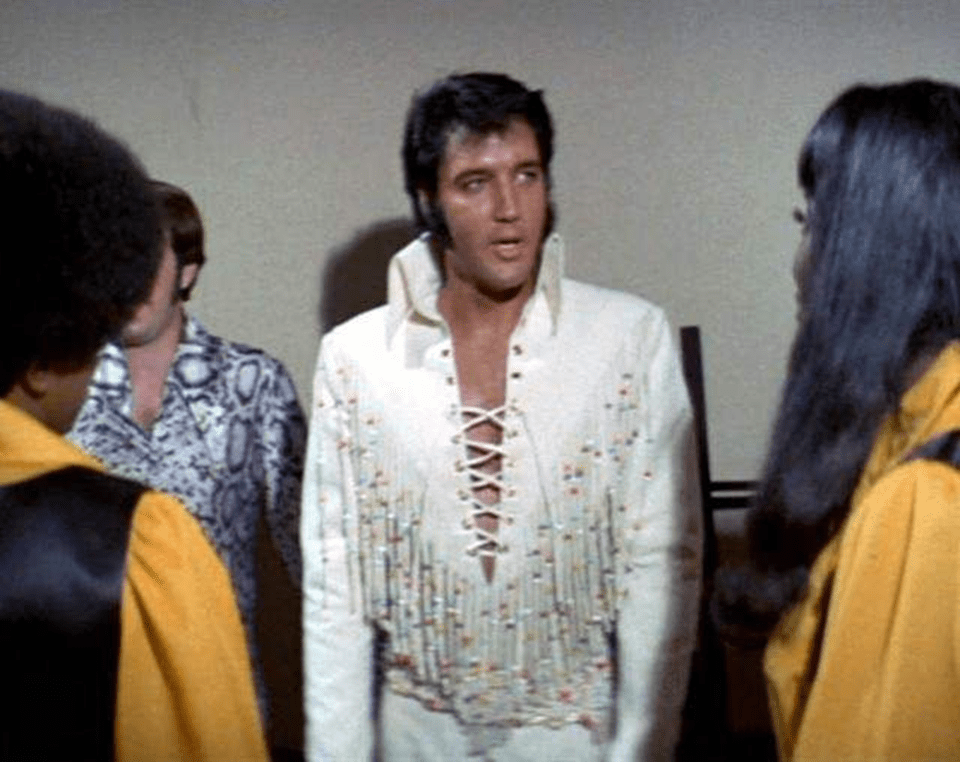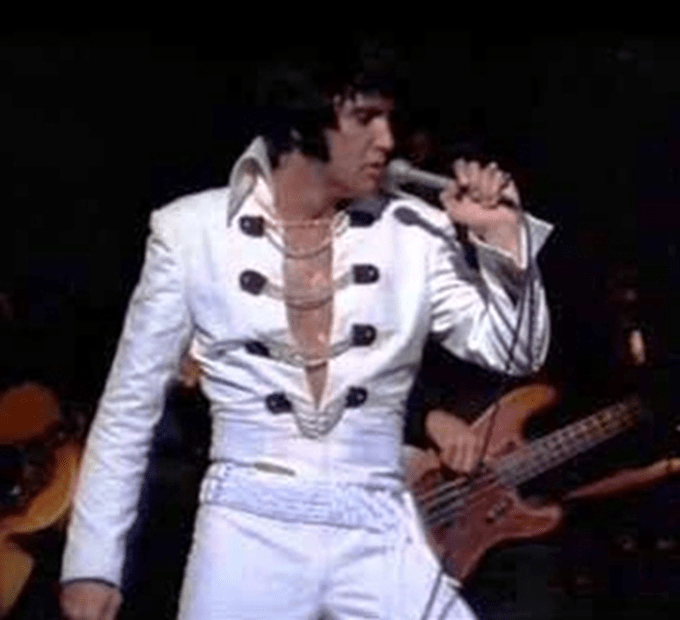
Elvis had a little time off after the Houston concerts. On April 7, 1970, Colonel Parker signed a deal with Jim Aubrey, the head of MGM, for the concert documentary film “Elvis: That’s The Way It Is”, which would be filmed during Elvis’ third Las Vegas season commencing in August.
Elvis returned to RCA Studio B in Nashville for a five-day recording session between June 4 and June 8. He records enough material to keep RCA in albums and singles for two years. These included the albums “That’s The Way It Is”, “Elvis Country”, “Love Letters From Elvis” and “Elvis Now” and hits such as “I’ve Lost You”, “You Don’t Have To Say You Love Me”, “Rags to Riches”, “I Really Don’t Want To Know” and “There Goes My Everything”. In just under eighteen months, he had recorded close to eighty songs in the American and RCA studios and more, considering the live recordings from The International.
Elvis’s stardom was at the level set in the 1950’s, only this time he was not embroiled in the controversy of the new rock ‘n’ roll phenomenon. The sixties bands, with the odd exception had come and gone, Roy Orbison was in a period of no recording success that lasted twenty years until just before he died in 1988, and the majority of the early rock ‘n’ rollers that followed in Elvis’ wake, had either been killed in accidents, faded away or in the case of Jerry Lee Lewis got caught up in scandal. Lewis did reinvent himself, with moderate success, as a country singer. The only other member of the Million Dollar Quartet that was still enjoying notable success was Johnny Cash. New groups were emerging, and from the UK, David Bowie and Elton John were beginning to make waves, but no one could truly rival The King.
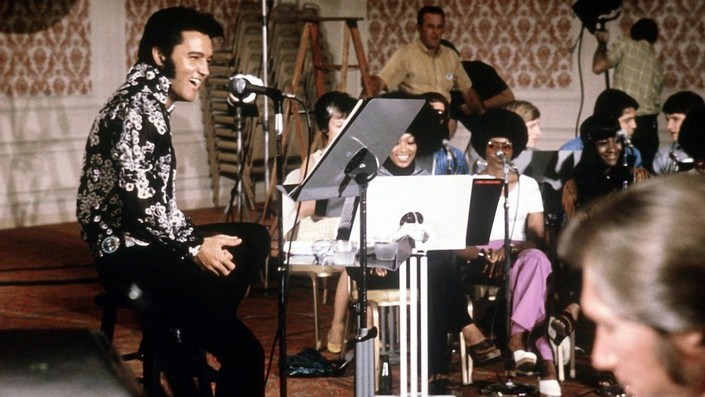
Elvis began rehearsals for what was now billed as his “Summer Season” in Las Vegas in July, initially with his rhythm group, the core of which was now firmly established. Glen D. Hardin was now on piano, James Burton on lead guitar, John Wilkinson on rhythm guitar, Jerry Scheff on electric bass, Ronnie Tutt on drums, with Charlie Hodge on acoustic guitar and singing harmony. The rehearsals were held at MGM’s studio in Hollywood, and this time they were filmed for the documentary. The concept was that the movie would document how Elvis put his show together, experimenting with song selections with the rhythm group, moving to Las Vegas to join the backing singers, The Sweet Inspirations and The Imperials Quartet, and then with the Joe Guercio orchestra. The movie would present a selection of performances selected from the early-season shows.
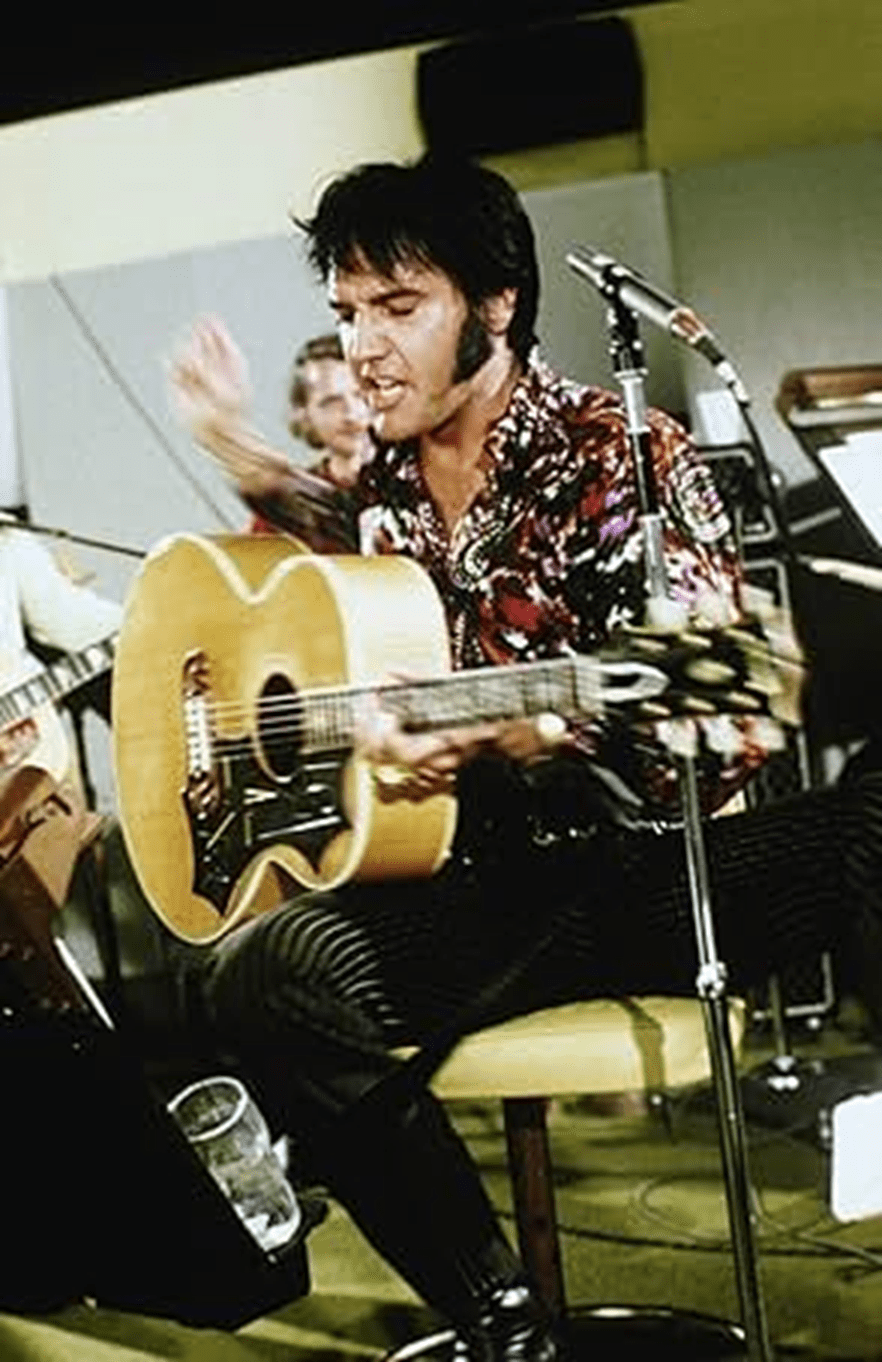
Rehearsing with the rhythm group at the MGM Studio, Hollywood, July 1970.
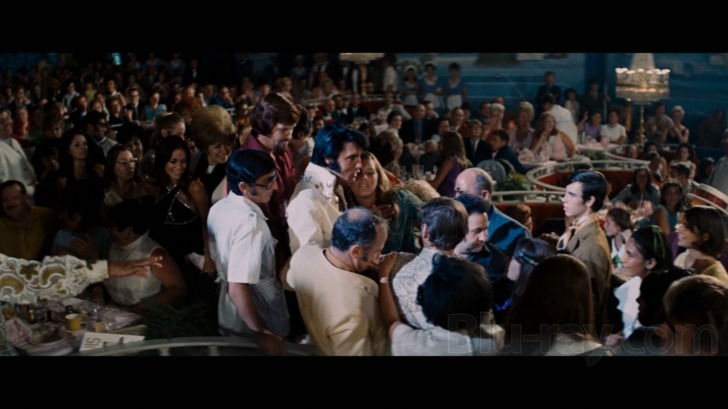
The opening night for the 1970 Elvis Summer Festival at the Las Vegas International Hotel was August 10. Performances were filmed over the first five days of the engagement, which ran until September 5. The opening night is featured in the first performance element. Cary Grant is one of the celebrities captured on camera in a booth near the front of the stage. The lights dim, the band strikes up a beat that resembles that of the “Jailhouse Rock” song “(You’re So Square) Baby I Don’t Care” crossed with “Blue Suede Shoes”, Elvis enters from the side and struts around the stage, nods to the audience, takes his Gibson acoustic guitar and launches into “That’s All Right”. It was a scene faithfully replicated by Austin Butler in the 2022 movie “ELVIS,” though as a representation of the 1969 opening.
The original movie features fan interviews. There is also a feature on an Elvis Convention, to which Elvis donated the tandem bicycle he used at the MGM movie studios as a raffle prize. The trouble with these insertions is that they are too frequent and too long. The film was re-edited in 2001, with unused footage rediscovered in storage in 1992. The fan insertions are omitted, and new song performances are added, including “The Wonder of You”, “In the Ghetto”, and “Don’t Cry, Daddy”. All of which were inexplicably not used in the original movie. The re-edit has since become the definitive version of the movie, with various DVD versions selling over 10 million copies worldwide.