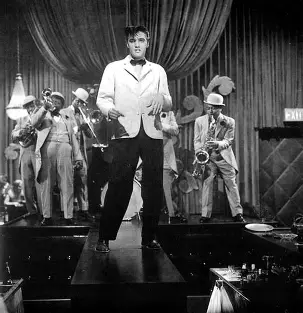
एल्विस ने जनवरी 1958 में "किंग क्रियोल" पर काम शुरू किया, अमेरिकी सेना में अपनी भर्ती को सफलतापूर्वक स्थगित करने के बाद।
यह फिल्म अक्सर आलोचकों और प्रशंसकों द्वारा एल्विस के सर्वश्रेष्ठ अभिनय प्रदर्शन और उनके शुरुआती करियर के शिखर के रूप में मानी जाती है।
"किंग क्रियोल" हेरोल्ड रॉबिंस के उपन्यास "ए स्टोन फॉर डैनी फिशर" पर आधारित है, जो एक परेशान युवा के बारे में है जिसे बॉक्सिंग में सफलता मिलती है। यह भूमिका मूल रूप से जेम्स डीन के लिए थी, जिनकी 1955 में कार दुर्घटना में मृत्यु हो गई थी। एल्विस जेम्स डीन के प्रशंसक थे, और उनकी शुरुआती फिल्मों में, दोनों के बीच अक्सर तुलना की जाती थी। जब "किंग क्रियोल" एल्विस को दी गई, तो कहानी को डैनी फिशर के एक बॉक्सर से गायक में अनुकूलित किया गया।
फिल्म की शुरुआत डैनी द्वारा एक स्ट्रीट वेंडर के साथ "क्राउफिश" गाते हुए होती है। यह स्पष्ट हो जाता है कि परिवार न्यू ऑरलियन्स के सबसे अच्छे इलाके में नहीं रह रहा है। यह डैनी का स्कूल का आखिरी दिन है, और उसके पिता और बहन उससे स्नातक की उम्मीद करते हैं। लेकिन स्कूल जाने से पहले, उसे एक बॉर्बन स्ट्रीट बार में साफ-सफाई का काम करना पड़ता है। इस अवसर पर, डैनी बार में पिछली रात से दो शराबी पुरुषों और एक शराबी महिला का सामना करता है। वे मनोरंजन चाहते हैं, और महिला डैनी से अपना स्कूल गीत गाने के लिए कहती है। जब पुरुष महिला के प्रति हिंसक हो जाते हैं, तो डैनी उसकी मदद के लिए आता है, मेज पर बोतलों को तोड़ता है और यदि आवश्यक हो तो उन्हें हथियार के रूप में इस्तेमाल करने के इरादे से, जबकि वे दोनों बार से भाग जाते हैं।
पता चलता है कि वह महिला, रोनी (कैरोलिन जोन्स द्वारा अभिनीत), बार के मालिक और न्यू ऑरलियन्स गैंगस्टर मैक्स फील्ड्स (वाल्टर मैथौ द्वारा अभिनीत) की अनिच्छुक प्रेमिका है। डैनी और रोनी एक टैक्सी लेते हैं, और डैनी को स्कूल छोड़ दिया जाता है। रोनी जोर देती है कि डैनी के जाने से पहले वह उसे चूम ले। डैनी ऐसा करता है, जिसे स्कूल के गेट पर मौजूद अन्य लोग देखते हैं। एक छात्र एक चतुर टिप्पणी करता है, इसलिए डैनी उसे मुक्का मारता है।
इसके कारण डैनी स्नातक होने में असफल रहता है। जब वह शाम को बार बॉय के रूप में काम करने के लिए क्लब में वापस जाता है, तो रोनी मैक्सी के साथ प्रवेश करती है। डैनी उसे नमस्ते कहता है, जिससे मैक्सी को बहुत झुंझलाहट होती है। जब रोनी मैक्सी को बताती है कि उसने उसे एक बार गाते हुए सुना है, तो मैक्सी डैनी को बार में गाने के लिए मजबूर करता है। डैनी प्रभावशाली ढंग से "ट्रबल" गाता है। चार्ली लेग्रैंड (पॉल स्टीवर्ट) इस प्रदर्शन को देखता है। चार्ली किंग क्रियोल क्लब का मालिक है, जो उस सड़क पर एकमात्र क्लब है जिसमें मैक्सी का हाथ नहीं है। चार्ली डैनी को एक गायक के रूप में नौकरी की पेशकश करता है, जिसे वह अपने पिता की आपत्तियों के बावजूद स्वीकार कर लेता है। नौकरी लेने से पहले, डैनी को स्कूल में उस लड़के के बड़े भाई, जिसे शार्क (विक मॉरो) के नाम से जाना जाता है, द्वारा सामना किया जाता है, जो उस पर हमला करता है। डैनी आराम से अपना बचाव करता है, और शार्क उसे उनके गिरोह में शामिल होने के लिए प्रोत्साहित करता है। पैसे की जरूरत में, डैनी सहमत हो जाता है, और वह एक फाइव-एंड-डाइम स्टोर को लूटने वाले गिरोह के दौरान दुकान सहायकों और ग्राहकों को विचलित करता है, जहाँ डैनी "लवर डॉल" गाता है जबकि गिरोह के बाकी लोग काउंटरों से चोरी करते हैं। केवल ताज़ा पेय काउंटर पर काम करने वाली लड़की, नेली (डोलोरेस हार्ट द्वारा अभिनीत) को पता चलता है कि क्या हुआ। नेली डैनी की डकैती में संलिप्तता के बावजूद उसकी ओर आकर्षित होती है और इसके बारे में चुप रहती है। दोनों डेटिंग करने लगते हैं।

डैनी किंग क्रियोल में काम करने जाता है और एक बड़ी हिट साबित होता है। इस बीच, डैनी की बहन मिमी (जन शेपर्ड) और चार्ली डेटिंग शुरू करते हैं, और किंग क्रियोल में डैनी की सफलता चार्ली को बेहतर वित्तीय स्थिति में डालना शुरू कर देती है।
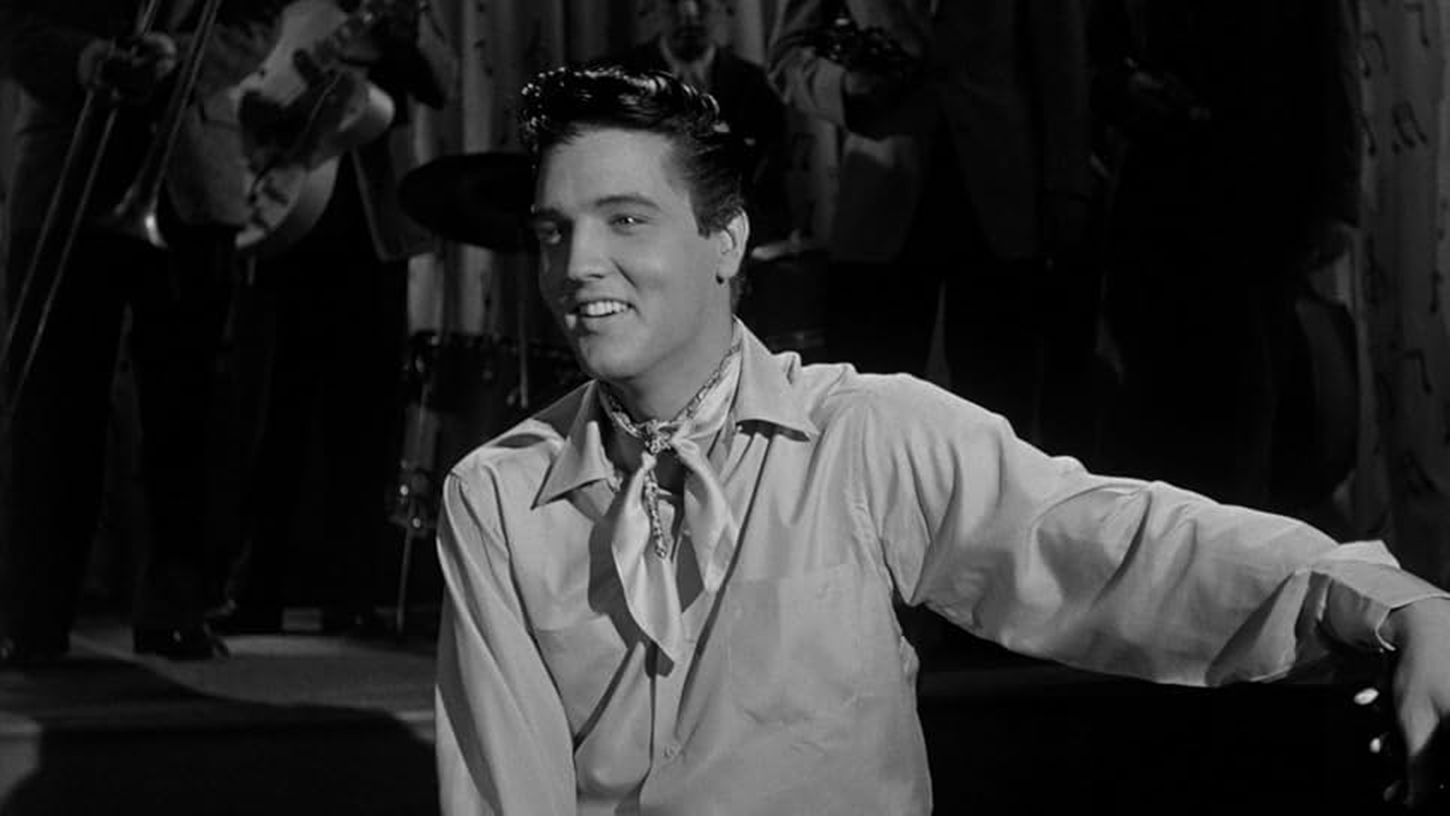
यह मैक्सी फील्ड्स को परेशान करता है। पता चलता है कि शार्क और उसका गिरोह मैक्सी के लिए काम कर रहे हैं, जिसमें शार्क मुख्य बदमाश है। मैक्सी और शार्क एक ऐसी योजना बनाते हैं जिससे मैक्सी डैनी को किंग क्रियोल छोड़ने के लिए ब्लैकमेल कर सके और डैनी को उसके लिए काम पर वापस ला सके। इसमें एक दवा की दुकान लूटना शामिल है जहाँ डैनी के पिता काम कर रहे हैं, लेकिन प्रबंधक द्वारा धमकाया भी जा रहा है। शार्क डैनी को पहरेदार बनने के लिए मना लेता है। रात में, डैनी अपना मन बदल लेता है, लेकिन डकैती आगे बढ़ती है। योजना के अनुसार प्रबंधक पर हमला करने के बजाय, डैनी के पिता पर हमला किया जाता है। वह गंभीर रूप से घायल हो जाता है। मैक्सी चिकित्सा बिल का भुगतान करता है। वह डैनी को ब्लैकमेल करने के लिए इसका इस्तेमाल करता है, उसे अपने पिता को यह बताने की धमकी देता है कि डैनी डकैती में शामिल था, जब तक कि डैनी उसके लिए काम करने नहीं आता।
डैनी और रोनी करीब आने लगते हैं, दोनों समान स्थिति में हैं, मैक्सी के साथ फंसे हुए हैं।
जब डैनी के पिता मैक्सि के पास यह समझाने के लिए जाते हैं कि वह उसे किंग क्रियोल में वापस काम करने दे, क्योंकि मिमी और चार्ली शादी करने का इरादा रखते हैं और चार्ली की वित्तीय स्थिति के कारण, उसे क्लब में डैनी को अपने स्टार आकर्षण के रूप में वापस चाहिए। शार्क तब आता है जब डैनी के पिता मैक्सि के साथ होते हैं, और डैनी के पिता उसे पहचान लेते हैं। मैक्सि को डैनी के पिता को डैनी की डकैती में संलिप्तता के बारे में बताने के लिए मजबूर किया जाता है।
जब डैनी को पता चलता है कि मैक्सी ने उसे धोखा दिया है, तो वह उस पर हमला करता है, जिससे वह अपने लिविंग रूम के फर्श पर बेहोश पड़ा रहता है। जब मैक्सी होश में आता है, तो वह डैनी को खोजने के लिए अपने गुंडों को बुलाता है। इससे डैनी और शार्क के बीच एक गंभीर लड़ाई होती है। डैनी घायल हो जाता है, लेकिन शार्क मारा जाता है। जब डैनी के पिता घायल डैनी की मदद करने से इनकार कर देते हैं, तो रोनी उसकी मदद के लिए आता है। वे एक ठिकाने पर भाग जाते हैं जिसे रोनी गुप्त मानता है। हालाँकि, कुछ दिनों के बाद, मैक्सी को पता चल जाता है कि रोनी कहाँ हो सकता है, जिससे गोलीबारी होती है, जिसमें रोनी और मैक्सी दोनों मारे जाते हैं। इन सब के पीछे और जो हुआ उसके बारे में सच्चाई सामने आने के साथ, डैनी किंग क्रियोल लौटता है, और उसके पिता उसे माफ कर देते हैं, डैनी को "एज लॉन्ग एज आई हैव यू" गाते हुए देखने के लिए क्लब में आते हैं।
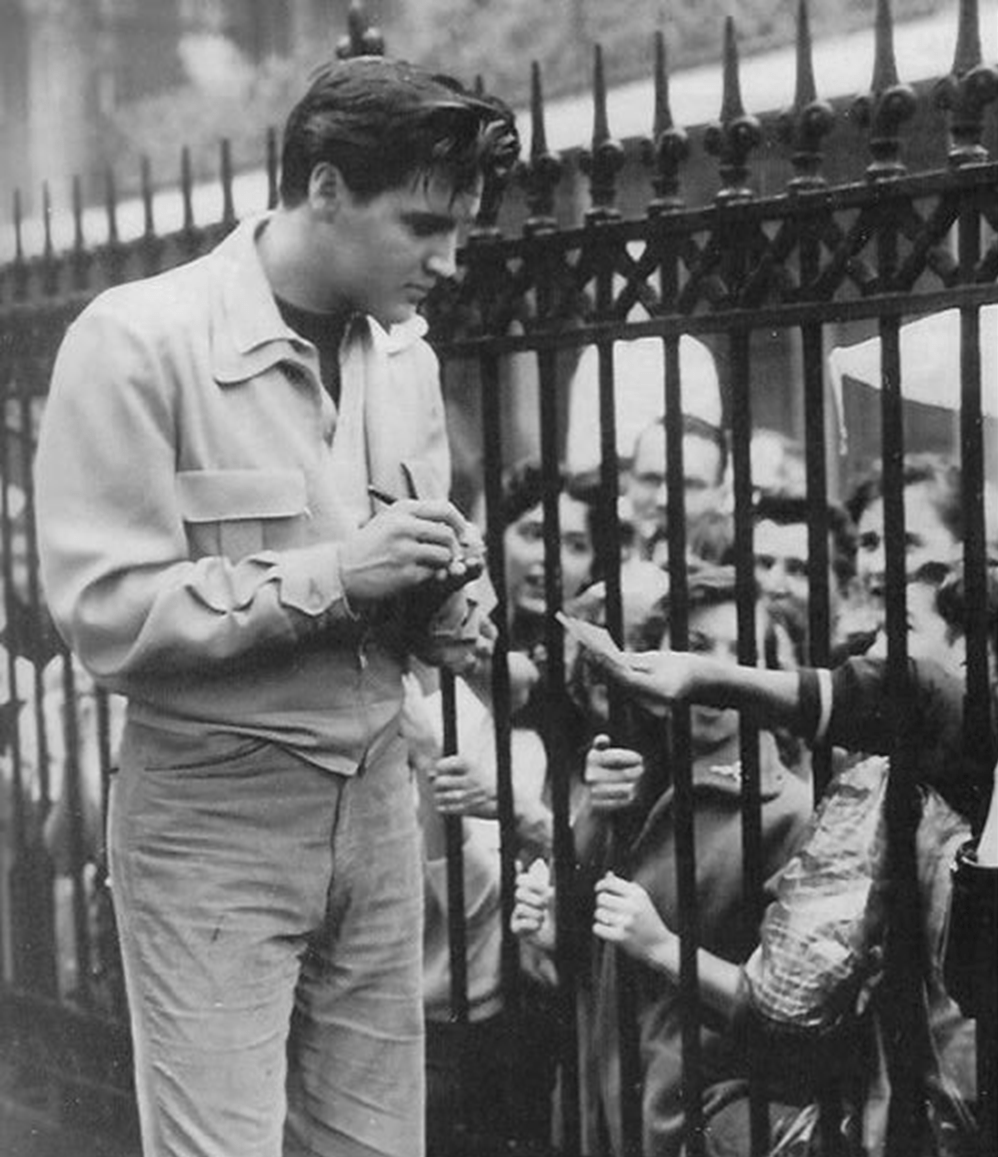
यह एक रॉक 'एन' रोल फिल्म है जिसमें एक शानदार कहानी, एक महान सहायक कलाकारों की टुकड़ी है, और महान संगीत से भरी हुई है जो "ट्रबल" और "डिक्सीलैंड रॉक" जैसे गानों पर रॉक 'एन' रोल में थोड़ा जैज़ डालता है।
फिल्म ने "हार्ड हेडेड वुमन" और "किंग क्रियोल" सहित बेहद सफल एकल, साथ ही दो विस्तारित प्ले (ईपी) वॉल्यूम और एक साउंडट्रैक एल्बम तैयार किया।
महत्वपूर्ण बात यह है कि एल्विस ने फिल्म समीक्षकों से सम्मान अर्जित किया।
बिलबोर्ड ने लिखा, "एल्विस प्रेस्ली की नई फिल्म बॉक्स-ऑफिस विजेता साबित हो रही है। इसमें भरपूर एक्शन और कैरेक्टराइज़ेशन है, और स्टार ने अब तक का अपना सर्वश्रेष्ठ अभिनय प्रदर्शन दिया है। डैनी के रूप में, प्रेस्ली ने बेहतर अभिनय क्षमता का प्रदर्शन किया है, कई मार्मिक और तनावपूर्ण क्षण दिए हैं। कैरोलिन जोन्स एक पतित गायिका के रूप में शानदार हैं जो उससे प्यार करना चाहती है; उनका अधूरा रोमांस फिल्म के बेहतरीन दृश्यों को देता है।"
वैरायटी ने घोषणा की कि फिल्म "युवा स्टार को एक अच्छे से बेहतर अभिनेता के रूप में दिखाती है।"
न्यूयॉर्क टाइम्स ने लिखा, "मिस्टर प्रेस्ली, अपने तीसरे स्क्रीन प्रयास में, उन्हें बॉर्बन स्ट्रीट की चिल्लाहट और हिलने-डुलने से थोड़ा अधिक करते हुए पाकर खुशी होती है। अभिनय उनका काम है इस चतुराई से सजे हुए शोकेस में, और वह इसे करते हैं, भगवान की कसम, एक बाड़ के ऊपर से।"
न्यूयॉर्क टाइम्स में फिल्म को एल्विस का तीसरा प्रयास बताने का संदर्भ गलत था, क्योंकि यह एल्विस की चौथी फिल्म थी। हालाँकि, यह एल्विस की तीसरी मुख्य भूमिका थी, क्योंकि "लव मी टेंडर" में उनकी सुर्खियां बटोरने वाली उपस्थिति को रिचर्ड ईगन की सहायक भूमिका माना गया था। हालाँकि, ये टिप्पणियाँ रॉक 'एन' रोल के किंग के प्रति आलोचकों के रवैये में बदलाव के संकेत थे।
"किंग क्रियोल" ने रॉक 'एन' रोल फिल्मों और एल्विस के लिए एक नया बेंचमार्क स्थापित किया था; हालाँकि, एल्विस के करियर में सेना सेवा के कारण बाधा आई। सेना में दो साल बिताने के बाद, एल्विस एक ऐसी दुनिया में लौट आए जहाँ रॉक 'एन' रोल ने अपनी विद्रोहिता खो दी थी, और सेना के बाद एल्विस की फिल्मों ने एक अलग रास्ता अपनाया।