
कर्नल पार्कर और पैरामाउंट निर्माता हैल वॉलेस को समस्याएँ हो रही थीं। वॉलेस ने कर्नल पार्कर के बारे में कहा था कि “मैं शैतान के साथ सौदा करने की कोशिश करना पसंद करूँगा।” दोनों के बीच का रिश्ता आखिरकार 1967 में टूट गया, हालाँकि एल्विस के पास अन्य स्टूडियो के साथ अनुबंध थे। अक्टूबर 1967 में, पार्कर ने NBC से एक पैकेज डील के साथ संपर्क किया जिसमें $1,250,000 के लिए एक उत्सव क्रिसमस टीवी स्पेशल, एक साउंडट्रैक और एक फिल्म शामिल थी। सिंगर कॉर्पोरेशन प्रायोजक के रूप में कार्य करते हुए एक सौदा किया गया।
एल्विस को टीवी पर एक घंटे तक क्रिसमस के गाने गाने का विचार पसंद नहीं आया और वह इसके बारे में उत्साहित नहीं था। हालाँकि, NBC ने बॉब फिंकेल को निर्माता के रूप में नियुक्त किया। बॉब फिंकेल भी मूल पार्कर अवधारणा के पक्ष में नहीं था और एक ऐसे स्पेशल का प्रस्ताव रखा जो एल्विस को प्रदर्शित करेगा। पार्कर को अंततः मना लिया गया लेकिन वह अभी भी शो को समाप्त करने के लिए एक क्रिसमस गीत चाहता था।
जब फिंकेल ने स्टीव बाइंडर को निर्देशक के रूप में भर्ती किया, तो उनके सहयोगी, बोन्स हाउ, उनके संगीत निर्माता के रूप में थे, तो नई अवधारणा को मजबूत किया गया। एल्विस अब अधिक रुचि रखता था, और जब तीनों मिले, तो बाइंडर और हाउ ने एल्विस से कहा कि जब तक वह हवाई में छुट्टी से लौटेंगे, तब तक वे विवरण तैयार कर लेंगे।
उन्होंने "गिटार मैन" गीत के अनुरूप दृश्यों को प्रस्तुत करने का विचार तैयार किया, जो काम की तलाश में यात्रा करने वाले गिटार वादक के बारे में था, जिसे प्रोडक्शन नंबर, लाइव प्रदर्शन और एक गॉस्पेल सीक्वेंस के साथ मिलाया गया था। इसने उस चीज़ को समाहित किया जो एक लाइव कॉन्सर्ट के साथ एक फिल्म की कहानी हो सकती थी और एल्विस पर, और वास्तव में, रॉक 'एन' रोल पर गॉस्पेल संगीत के प्रभाव को प्रदर्शित किया। वहाँ बहुत सारे डांसर और थोड़े समय के नोटिस पर आमंत्रित एक वास्तविक दर्शक होंगे। सिट-डाउन जैम सेशन को तब शामिल किया गया जब बाइंडर ने मुख्य दृश्यों के रिहर्सल के दौरान और बाद में एल्विस को अपने समूह के साथ बातचीत करते देखा।
दो सप्ताह की रिहर्सल 3 जून, 1968 को हॉलीवुड में शुरू हुई। अगले दिन, सीनेटर बॉबी केनेडी को गोली मार दी गई और 6 जून, 1968 को उनकी मृत्यु हो गई। उनकी मृत्यु और 4 अप्रैल, 1968 को मेम्फिस में डॉ. मार्टिन लूथर किंग की हत्या के कारण "इफ आई कैन ड्रीम" का जन्म हुआ। गीतकार बिली गोल्डनबर्ग और गीतकार वाल्टर अर्ल ब्राउन को विशेष रूप से एल्विस के लिए गीत लिखने के लिए बुलाया गया था। जब एल्विस ने उन दोनों द्वारा तैयार किए गए डेमो को सुना, तो उन्होंने उनसे कहा, "मैं कभी भी ऐसा कोई गाना नहीं गाऊंगा जिस पर मुझे विश्वास न हो। मैं कभी भी ऐसी कोई फिल्म नहीं बनाऊंगा जिस पर मुझे विश्वास न हो।"
यह स्पेशल का नया फिनाले होना था। कर्नल, हालाँकि, आपत्ति कर रहा था, कह रहा था, "यह एल्विस का गीत नहीं है", यह चिंता करते हुए कि यह बहुत राजनीतिक था। हालाँकि, एल्विस, जो हत्याओं से परेशान था, इस बार पार्कर से सहमत होने के मूड में नहीं था। पार्कर को कुछ हद तक शांत किया गया जब प्रकाशन अधिकार "ग्लेडिस म्यूजिक", एल्विस की प्रकाशन कंपनी को सौंप दिए गए, जिसका अर्थ अतिरिक्त रॉयल्टी होगा।
जब एल्विस ने 30 जून, 1968 को गाना रिकॉर्ड किया, तो पृष्ठभूमि गायकों में से एक की आँखों में आँसू आ गए। एल्विस के दोस्त जेरी शिलिंग ने बाद में कहा, “मैं एल्विस को इस गाने का लेखक मानता हूँ। उस गाने में वह व्यक्त कर रहा था कि वह वास्तव में कैसा महसूस करता था।” उन्होंने इसे “एल्विस का ‘मेरा एक सपना है’ भाषण” भी माना।
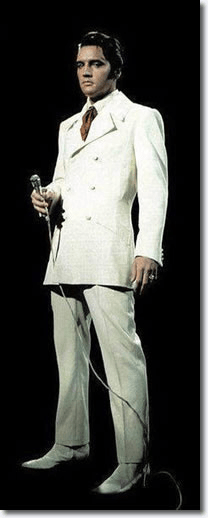
कास्ट 17 जून को बर्बैंक, कैलिफ़ोर्निया में एनबीसी स्टूडियो में चला गया, ताकि प्रोडक्शन नंबर रिकॉर्ड करना शुरू कर सके।
27 जून, 1968 को, एल्विस सात साल से अधिक समय पहले पर्ल हार्बर के बाद पहली बार लाइव दर्शकों के सामने पेश होने वाले थे। एल्विस बेहद घबराए हुए थे, इसलिए लाइव सेगमेंट में से पहले अनौपचारिक जैम सेगमेंट फिल्माए गए। भले ही यह अनौपचारिक होने वाला था, एल्विस को छोटे चौकोर मंच पर चलने के लिए प्रोत्साहन की आवश्यकता थी। एल्विस ने स्कॉटी मूर, डी.जे. फोंटाना और कुछ दोस्तों के साथ बैठकर शुरुआती रिकॉर्डिंग का चयन किया और रॉक ‘एन’ रोल के जन्म पर चर्चा की। एल्विस जल्द ही अपनी घबराहट भूल गए और स्कॉटी मूर से इलेक्ट्रिक गिटार ले लिया और वर्षों में न देखी गई उत्साह के साथ सामग्री पर हमला किया। बिल बेलव, जिस काले चमड़े के सूट में एल्विस थे, उसके डिजाइनर को अंत में एल्विस को सूट से बाहर निकालने के लिए सीम को सावधानी से काटना पड़ा, क्योंकि चमड़ा उनसे चिपक गया था। इसे हाथ से धोया गया था इससे पहले कि कुछ घंटों बाद दूसरा सत्र किया गया।
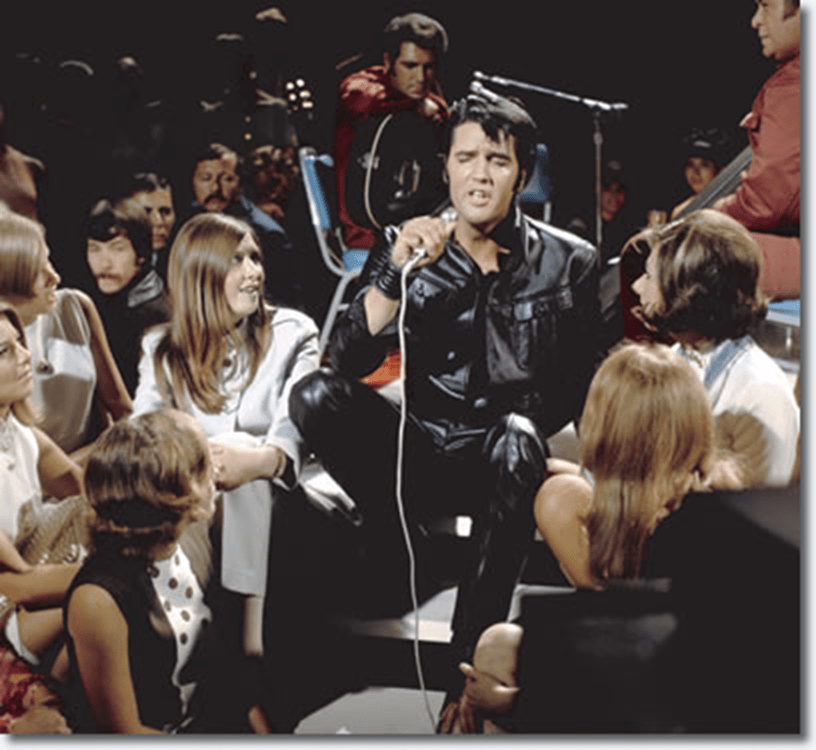
29 जून, 1968 को, एल्विस ने उसी छोटे मंच पर लाइव दर्शकों के लिए दो स्टैंड-अप शो किए। बैंड एक तरफ स्थित था, और एल्विस उजागर थे। एक बार फिर, एल्विस अविश्वसनीय रूप से घबराए हुए थे। जब वह “वेल, सिंस माय बेबी लेफ्ट मी” से शुरुआत करते हैं, तो एल्विस स्टैंड-अप माइक्रोफ़ोन तक पहुँचते हैं; उनका हाथ कांपता हुआ दिखाई देता है। जब तक वह दूसरी पंक्ति “आई फाउंड ए न्यू प्लेस टू ड्वेल” गाते हैं, तब तक दर्शक प्रतिक्रिया करते हैं और वह प्रसिद्ध होंठों को सिकोड़ने वाली मुस्कान उभरती है क्योंकि पुराना आत्मविश्वास लौट आता है जैसे कि वह कभी गया ही न हो।
प्रिसिला ने एल्विस को कभी भी लाइव प्रदर्शन करते हुए नहीं देखा था, और बाद में, उन्होंने कहा, “आप सभी लड़कियों को कतार में देखते हैं, सभी प्रशंसक दीवाने हो जाते हैं, और मैं इसे देखकर सोचती हूँ, ‘वाह’।” वह बाकी सभी की तरह इस असाधारण कलाकार से उतनी ही मंत्रमुग्ध थी।
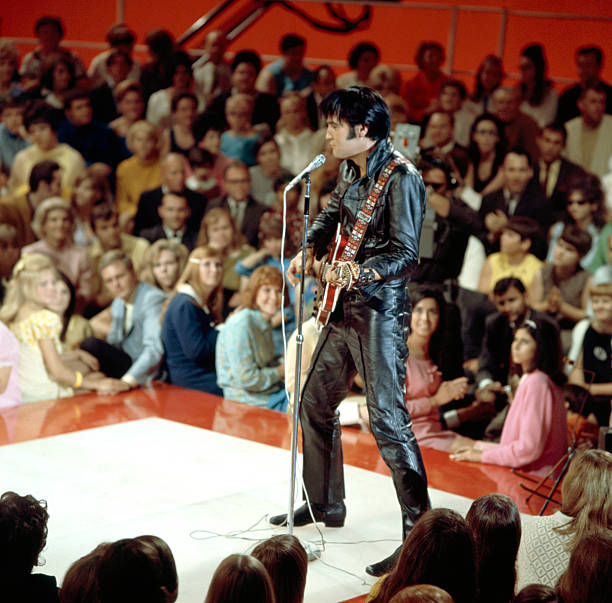
टीवी स्पेशल 3 दिसंबर, 1968 को अमेरिका में प्रसारित हुआ। यह वर्ष का सबसे अधिक देखा जाने वाला टीवी कार्यक्रम था, जिसने टेलीविजन देखने वाले दर्शकों का 42% हिस्सा कब्जा कर लिया। “इफ आई कैन ड्रीम” ने एल्विस को अटलांटिक के दोनों किनारों पर पहली बार 1966 में “लव लेटर्स” के बाद शीर्ष बीस सिंगल्स चार्ट में वापस ला दिया (यूके में नंबर 11 और यूएस में नंबर 12)। टीवी स्पेशल के साउंडट्रैक ने उसे एल्बम चार्ट में शीर्ष दस में वापस ला दिया (यूके में नंबर 2 और यूएस में नंबर 8)।
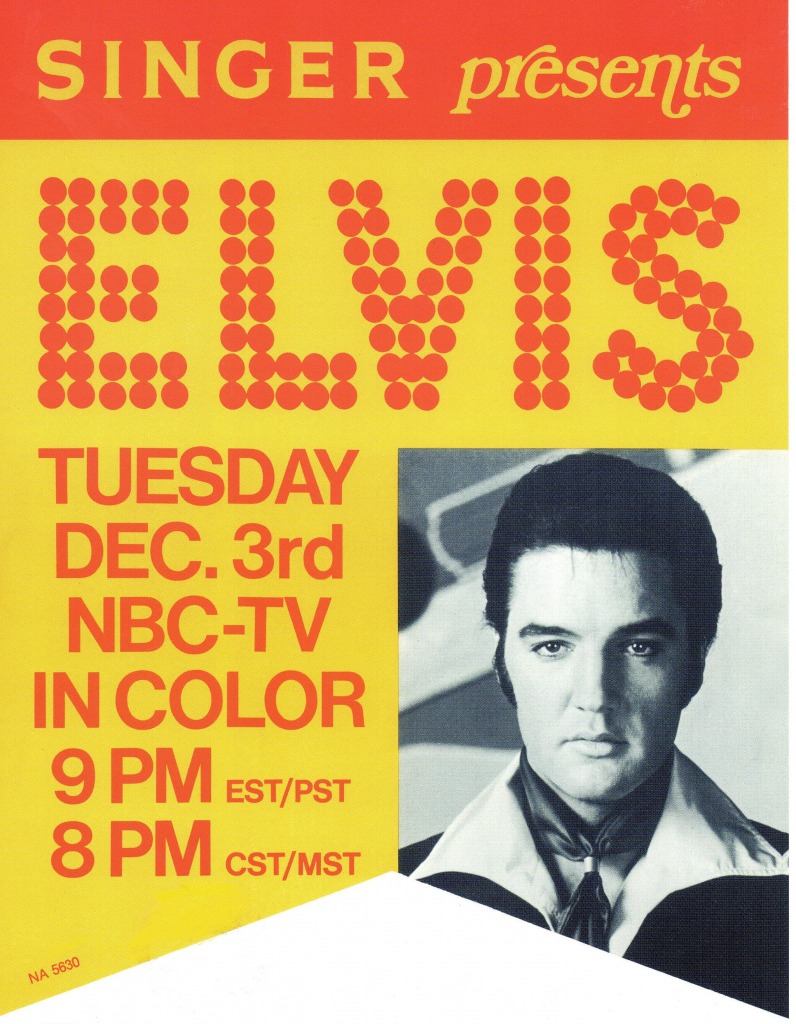
दर्शकों को शुरुआती क्रम से पता था कि शो रोमांचक होगा। यह एल्विस के क्लोज-अप से शुरू होता है जो कैमरे में ध्यान से देखते हुए “इफ यू आर लुकिन’ फॉर ट्रबल” गाते हैं।
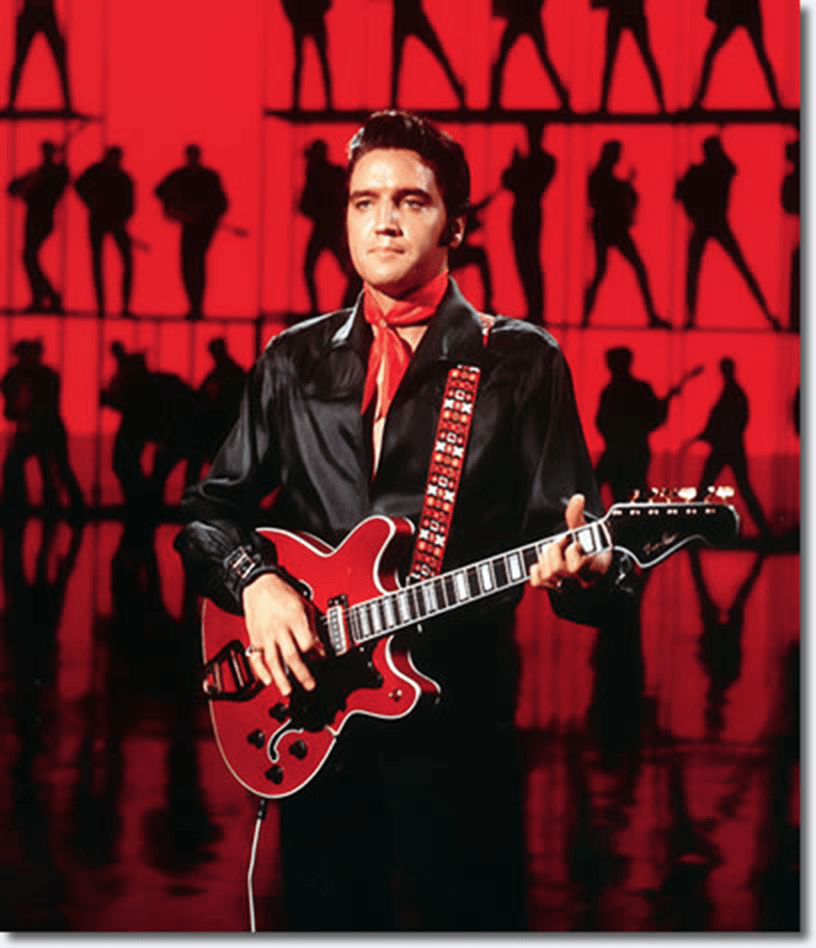
विशेष पूरा करने के बाद, एल्विस ने पार्कर से कहा कि वह सड़क पर वापस जाना चाहता है।
आज, इसे व्यापक रूप से इतिहास के सबसे बेहतरीन रॉक 'एन' रोल टीवी स्पेशल के रूप में माना जाता है।